
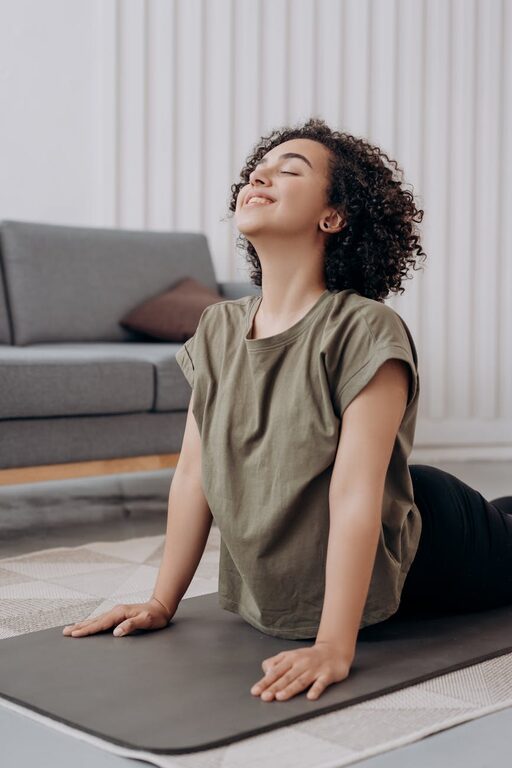
Stretching is an easy and effective way to enhance your physical health, improve flexibility, and reduce muscle stiffness—all from the comfort of your home. Whether you are new to exercise or looking to add gentle movement to your daily routine, stretching can be a great starting point. This beginner’s guide will walk you through the benefits of stretching, how to prepare, and simple stretches you can do anytime.
Why Stretching Matters
Stretching helps to lengthen muscles, increase joint mobility, and improve circulation. Regular stretching can:
– Reduce muscle tension and stiffness
– Improve posture and balance
– Increase range of motion
– Lower the risk of injury during physical activities
– Promote relaxation and stress relief
It is a beneficial practice for everyone—from active athletes to those who spend much of their day sitting.
Preparing to Stretch at Home
Before starting any stretching routine, it’s important to prepare your body and space.
Choose a Comfortable Space
Find an area where you can move freely without distractions. A yoga mat or soft carpeted floor can provide cushioning.
Warm Up Briefly
Stretching cold muscles may cause strains. Warm up with 3–5 minutes of light cardio, such as marching in place, stepping side to side, or gentle arm circles.
Wear Comfortable Clothing
Choose loose-fitting clothes that allow full movement without restriction.
Set Realistic Goals
Aim for consistency rather than intensity. Stretch gently to the point of feeling mild tension, not pain.
Basic Stretching Techniques to Know
Before trying specific stretches, familiarize yourself with these techniques.
– Static Stretching: Holding a stretch for 15–60 seconds without movement. Best for improving flexibility post-workout or during cool downs.
– Dynamic Stretching: Moving parts of your body through their full range of motion, usually performed before exercise to warm up muscles.
– Active Stretching: Stretching a muscle by actively contracting the opposing muscle. This requires more strength and control.
For beginners, static and gentle dynamic stretches are a great place to start.
Simple Beginner Stretches You Can Do at Home
Here are some easy stretches targeting commonly tight areas. Hold each static stretch for about 20–30 seconds, repeating 2–3 times if possible.
Neck Stretch
– Sit or stand tall.
– Gently tilt your head to the right, bringing your ear toward your shoulder.
– Use your right hand to apply light pressure if comfortable.
– Repeat on the left side.
Shoulder Rolls
– Stand or sit with arms relaxed by your sides.
– Slowly roll your shoulders forward in a circular motion 10 times.
– Reverse and roll backward 10 times.
Chest Stretch
– Stand inside a doorway.
– Place your hands and forearms on the doorframe with elbows at shoulder height.
– Step one foot forward and gently lean in to stretch your chest muscles.
Cat-Cow Stretch (for spine flexibility)
– Start on hands and knees (tabletop position).
– Inhale as you arch your back, lifting your head and tailbone (cow pose).
– Exhale as you round your back, tucking your chin and pelvis (cat pose).
– Repeat slowly for 8–10 breaths.
Hamstring Stretch
– Sit on the floor with one leg extended straight, the other bent with the sole of your foot near your inner thigh.
– Reach toward the toes of your extended leg, keeping your back straight.
– Switch legs and repeat.
Quadriceps Stretch
– Stand on one foot (hold onto a chair for balance).
– Grab your opposite ankle, gently pulling it toward your buttocks until you feel a stretch in the front of your thigh.
– Switch legs.
Calf Stretch
– Stand facing a wall with hands on it at shoulder height.
– Step one foot back, keeping it flat on the floor.
– Lean toward the wall, feeling a stretch in your calf muscle.
– Switch legs.
Tips for Effective Stretching
– Breathe deeply: Focus on slow, natural breaths to help muscles relax.
– Avoid bouncing: Stretch steadily without jerky movements to prevent injury.
– Listen to your body: Stretch only to the point of tension, not pain.
– Consistency is key: Aim to stretch at least 3 times a week to see improvement.
– Combine with movement: Stretch after walking, working from home, or any physical activity.
When to Avoid Stretching or Seek Advice
While stretching is safe for most people, do not stretch injured muscles or joints until they heal. If you experience sharp pain, numbness, or dizziness, stop and consult a healthcare professional.
Conclusion
Stretching at home is a simple way to care for your body and enhance overall well-being. With just a few minutes a day, you can improve flexibility, reduce tension, and feel more energized. Remember to start slowly, stay consistent, and enjoy connecting with your body.
Give these beginner stretches a try and make stretching a healthy habit you look forward to!